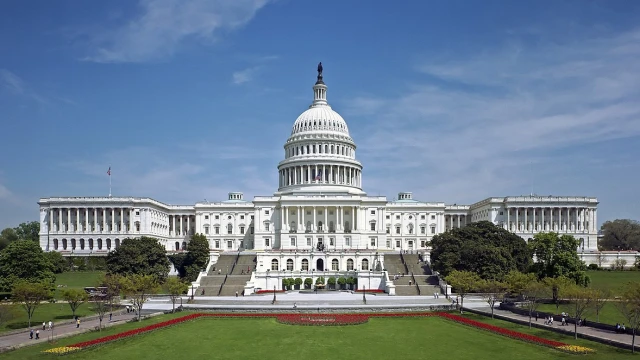
The United States Senate has taken a significant step toward ending the longest government shutdown in the nation’s history. In a rare Sunday session, senators voted 60–40 to advance a bipartisan plan that would fund federal operations through January 30, breaking weeks of political deadlock.
The breakthrough came when eight Democrats and one independent joined Republicans to move the measure forward. Senators Angus King of Maine, Catherine Cortez Masto of Nevada, and Tim Kaine of Virginia were among those who crossed the aisle, saying that continued gridlock would not bring progress on healthcare funding.
“The question was whether the shutdown was helping us achieve needed healthcare reforms,” said Senator King. “After seven weeks of failed attempts, it became clear that it would not.”
The deal includes guarantees of back pay for furloughed federal workers and reversals of some recent layoffs ordered by the Trump administration. However, it does not provide an immediate extension of Obamacare subsidies, a key issue for Democrats. Senate Majority Leader John Thune promised a separate vote on healthcare in December, a compromise that many progressives saw as insufficient.
Senate Minority Leader Chuck Schumer voiced frustration over the agreement, arguing that it failed to address the nation’s ongoing healthcare crisis. “Families are struggling with rising costs and limited access to care. This deal falls short of what the American people deserve,” Schumer said.
Senator Bernie Sanders also criticized the decision, warning that conceding now could embolden the administration. “If Democrats cave on this issue, it gives a green light for more attacks on working families,” he said.
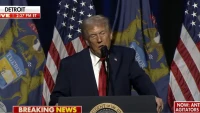
Despite the criticism, both parties expressed cautious optimism that the measure could bring temporary relief to millions of Americans affected by the shutdown. Once approved by the Senate, the bill must still pass the House before reaching President Trump’s desk.
While Washington works to restore government operations, global attention is turning toward Brazil, where the United Nations’ COP30 climate summit has convened. Leaders from across the world are discussing strategies to reduce emissions, promote clean energy, and protect vulnerable ecosystems.
Although the United States is not taking an active role in this year’s talks, many nations are pushing ahead with commitments to accelerate the green transition. Electric vehicles, solar power, and renewable technologies are central to this year’s agenda.
Economists say that global investment in sustainable industries could help offset the environmental and financial consequences of political instability. “Politics can stall progress, but the economic momentum toward clean energy is now unstoppable,” said one climate policy expert attending the summit.
As the U.S. government prepares to reopen and world leaders debate the planet’s future, both developments highlight a central theme of 2025: the need for cooperation over confrontation in facing global challenges.