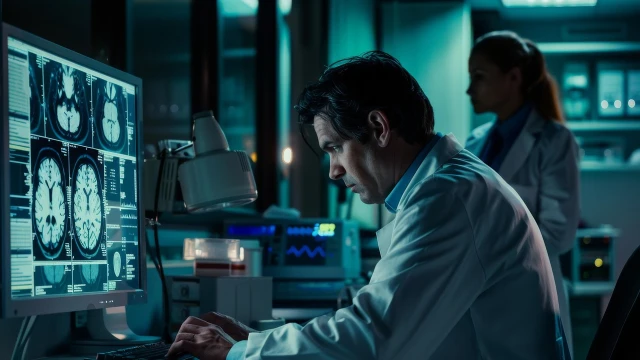
Japan is quietly redefining the future of medicine, positioning itself at the forefront of regenerative science through stem cell therapies that are already transforming patient care.
At Kyoto University, neurosurgeon Jun Takahashi and his team recently implanted lab grown dopamine neurons into patients with Parkinson’s disease. The cells were created by reprogramming adult skin cells into induced pluripotent stem cells, then training them to become functional brain neurons. Early results show measurable improvement, marking one of the most advanced clinical uses of stem cells in neurological treatment.
Similar progress is unfolding in vision science. At Kobe City Eye Hospital, researchers successfully transplanted retinal cell sheets grown from stem cells into patients suffering from degenerative eye disease. The procedure restored partial vision and demonstrated that complex tissues can be rebuilt safely inside the human body.
Japan’s ambitions extend beyond the brain and eyes. Two medical startups are now targeting heart disease, one of the nation’s deadliest conditions. Heartseed injects stem-cell-derived cardiac cells directly into weakened hearts, while Cuorips applies thin muscle sheets over damaged tissue to stimulate natural repair. Early trials show symptom improvement without major complications.
These medical advances are supported by strong government backing. Japan has invested more than one billion dollars into regenerative research and fast tracked approval pathways for promising therapies. Officials describe longevity and health innovation as strategic national priorities.
The foundation of this movement traces back to Nobel Prize winner Shinya Yamanaka, who first developed induced pluripotent stem cells in 2006. His discovery allowed scientists to create versatile stem cells without using embryos, bypassing ethical barriers and opening doors for personalized medicine.
Globally, similar breakthroughs reinforce Japan’s leadership. Researchers in Zurich recently demonstrated that stem cell transplants can reverse stroke damage in laboratory models, restoring motor function and repairing blood vessels. Neural stem cells are also being explored to treat Parkinson’s disease, spinal injuries and traumatic brain damage.
Despite its promise, regenerative medicine remains under scrutiny. Past scientific misconduct cases in Japan reminded the world of the need for strict transparency and caution. Leading scientists continue to warn that stem cells are living systems and must be guided carefully to avoid unintended risks.
Still, Japan’s demographic reality fuels urgency. With one of the world’s oldest populations, the country views regenerative medicine not only as healthcare innovation but as a pathway to social resilience.
From retinal repair to cardiac regeneration, Japan is proving that the body may hold more capacity for renewal than previously believed. While stem cells cannot solve every challenge, they offer something rare in modern medicine: the possibility that damaged tissues can truly heal.
Frequently Asked Questions
What is regenerative medicine?
Regenerative medicine focuses on repairing or replacing damaged tissues using stem cells, engineered cells, and biological therapies.
Why is Japan important in stem cell research?
Japan pioneered induced pluripotent stem cells and supports fast clinical testing through government-backed research programs.
Can stem cells treat neurological diseases?
Stem cells are being studied for conditions such as Parkinson’s disease and stroke, with early trials showing potential improvements.
Are stem cell therapies already available?
Some therapies are available through approved clinical programs, while many remain under strict research trials.
Do stem cells cure diseases?
Stem cells do not cure diseases outright but may help restore lost function and slow disease progression.
Is regenerative medicine safe?
Safety depends on regulation, clinical supervision, and the specific therapy being used.


