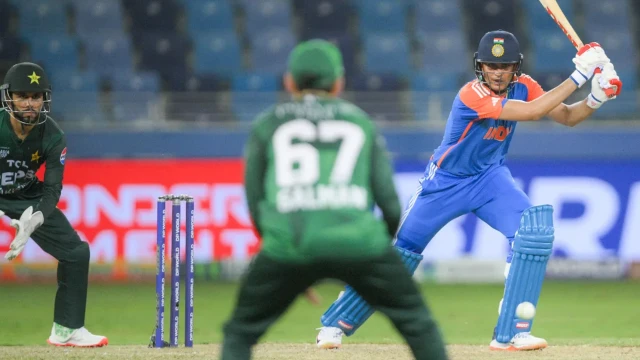
COLOMBO, Sri Lanka: Outside the R. Premadasa Stadium ticket counters on Saturday afternoon, long queues of Indian and Pakistani supporters stretched past security gates, many discussing two things at once: record travel expenses and the growing threat of rain on match day.
Airfares surged sharply after Pakistan confirmed participation only days before the fixture. Travel agencies reported round-trip ticket prices from Mumbai rising from roughly $275 to nearly $1,000, while several Colombo hotels listed weekend room rates between $400 and $1,000 per night as bookings approached capacity.
“It cost more than I expected, but this is the biggest match in cricket,” said Bengaluru-based fan Parth Chauhan, who traveled with friends after securing tickets, following a four-hour online wait. “Even if it rains, we still had to be here.”
Weather uncertainty grows
The Sri Lanka Department of Meteorology has warned that a developing low-pressure system in the Bay of Bengal could bring scattered thunderstorms to Colombo on Sunday evening, with a 50 to 70 percent chance of rainfall around match time. Forecasts indicate temperatures near 31°C with humid conditions before potential evening showers.
Weather models suggest rain could delay the toss or reduce overs, although some projections show partial clearing after 8 p.m. Ground officials remain confident the stadium’s advanced drainage system and full-ground covering equipment can make the field playable within 45 to 60 minutes after heavy rain stops.
Demand highlights rivalry’s global pull
Despite the uncertainty, the surge in travel demand highlights the unmatched global draw of the India-Pakistan rivalry. Airlines operating routes between India and Sri Lanka reported near-full flights, while tourism officials in Colombo confirmed a significant rise in short-term bookings tied directly to the match weekend.
Both teams currently sit on four tournament points, meaning even a rain-affected match could influence group standings if shared points come into play. Analysts say the fixture’s stakes, combined with the historic rivalry, explain why supporters continue to travel regardless of soaring costs or weather risks.
Why now: With the T20 World Cup entering a decisive phase, the India-Pakistan clash once again demonstrates how a single sporting event can simultaneously reshape travel markets, tourism demand, and regional economic activity.