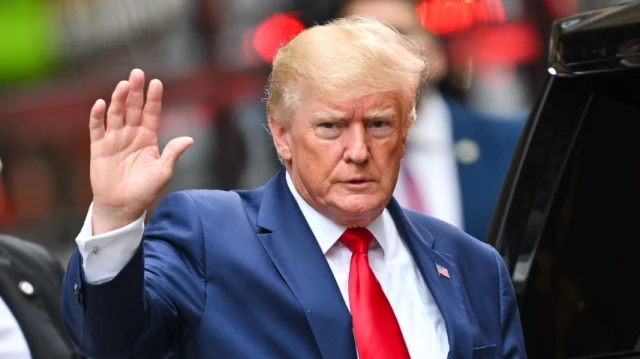
President Donald Trump has indicated that the conflict could be “close to over,” but his administration is making clear that any final deal must go beyond a temporary pause.
Vice President JD Vance described the goal as a “grand bargain,” suggesting Washington is seeking a comprehensive agreement that includes nuclear restrictions and normalized economic relations.
At the same time, the US has escalated enforcement measures, including intercepting Iranian oil tankers and imposing a near-total maritime blockade to halt trade flows.
US officials have also warned that Chinese access to Iranian oil will be blocked, signaling a widening economic dimension to the conflict.
Strait of Hormuz Crisis Reshapes Global Energy Outlook
The disruption of the Strait of Hormuz continues to send shockwaves through global markets, with around 20 percent of oil and gas supply affected.
European officials have begun preparing contingency measures to manage energy costs, while the International Monetary Fund has warned that prolonged disruption could weaken global recovery.
IMF leadership indicated that a rapid end to the conflict within weeks could still allow for economic stabilization, but continued disruption would push the global economy into a more adverse scenario.
Global Powers Position for Strategic Advantage
The conflict is increasingly drawing in major global players.
Russia has signaled it could compensate for energy shortages affecting China, while reports suggest Iran may have used Chinese satellite capabilities to improve targeting during the conflict.
These developments highlight how the crisis is evolving beyond a regional war into a broader geopolitical contest involving multiple power centers.
Diplomatic Momentum Builds Across Multiple Fronts
Alongside US-Iran talks, parallel diplomatic efforts are emerging across the region.
Israel and Lebanon have agreed to move toward direct negotiations, while a coalition including the United Kingdom, Canada and several other nations has called for an urgent expansion of ceasefire efforts, particularly to address the humanitarian situation in Lebanon.
International organizations have also stepped in, with the UN urging compliance with international law and protection of civilians.
Rising Political Pressure Inside the United States
Domestically, the conflict is triggering political pushback in Washington.
US lawmakers are preparing new efforts to limit presidential war powers, arguing that continued military engagement risks both economic fallout and further escalation.
This internal pressure adds another layer of uncertainty to how long the current strategy can be sustained.
A Narrow Window for Resolution
Despite signs of progress, officials on both sides acknowledge that mistrust remains a major obstacle.
US leaders say Iranian negotiators appear willing to engage, but caution that rebuilding confidence will take time.
With military pressure, economic restrictions and diplomatic negotiations all unfolding simultaneously, the coming days are likely to determine whether the conflict moves toward a comprehensive settlement or re-enters a cycle of escalation.


