Key Points
-
Ramadan 2026 officially began on February 18 after crescent moon sightings.
-
Fasting hours worldwide range from about 12 to 15 hours depending on location.
-
Muslims are checking Ramadan calendars, prayer times, and suhoor and iftar schedules.
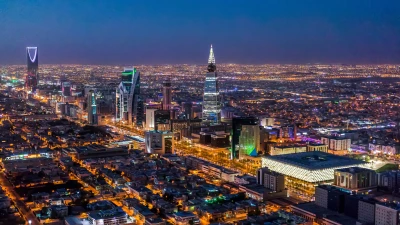
Riyadh, Saudi Arabia: Mosques across the Middle East filled with worshippers Tuesday evening as religious authorities confirmed the crescent moon sighting, marking the official start of Ramadan 2026 and prompting millions worldwide to check their local Ramadan calendars, prayer times, and suhoor and iftar timetables.
The Islamic holy month lasts 29 or 30 days, during which Muslims fast daily from dawn to sunset, refraining from food, drink, and smoking while focusing on prayer, charity, and reflection. The length of fasting hours varies by geography, with most Northern Hemisphere cities observing fasts lasting approximately 12 to 13 hours early in the month, gradually increasing toward the end.
In contrast, countries in the Southern Hemisphere, including parts of South Africa, Chile, and New Zealand, will experience longer fasting periods reaching around 14 to 15 hours. Religious authorities in several Gulf nations, including the United Arab Emirates and Saudi Arabia, have released official Ramadan 2026 timetables showing daily suhoor time, iftar time, and Taraweeh prayer schedules for major cities.
Because the Islamic Hijri calendar is based on lunar cycles, Ramadan shifts approximately 10 to 11 days earlier each year in the Gregorian calendar. This year’s timing places Ramadan during late winter in the Northern Hemisphere, resulting in relatively shorter fasting durations compared with summer observances.
Families traditionally begin their day with the pre-dawn meal known as suhoor, while the fast is broken at sunset during iftar, often starting with dates and water before evening prayers. Throughout the month, common greetings exchanged among communities include “Ramadan Mubarak” and “Ramadan Kareem,” both expressing wishes for a blessed and generous holy month.
Governments, mosques, and Islamic centers worldwide have also released official Ramadan 2026 prayer time tables and city-specific fasting schedules, helping residents plan daily worship routines, community gatherings, and charitable activities during one of the most significant periods in the Islamic calendar.